Introduction
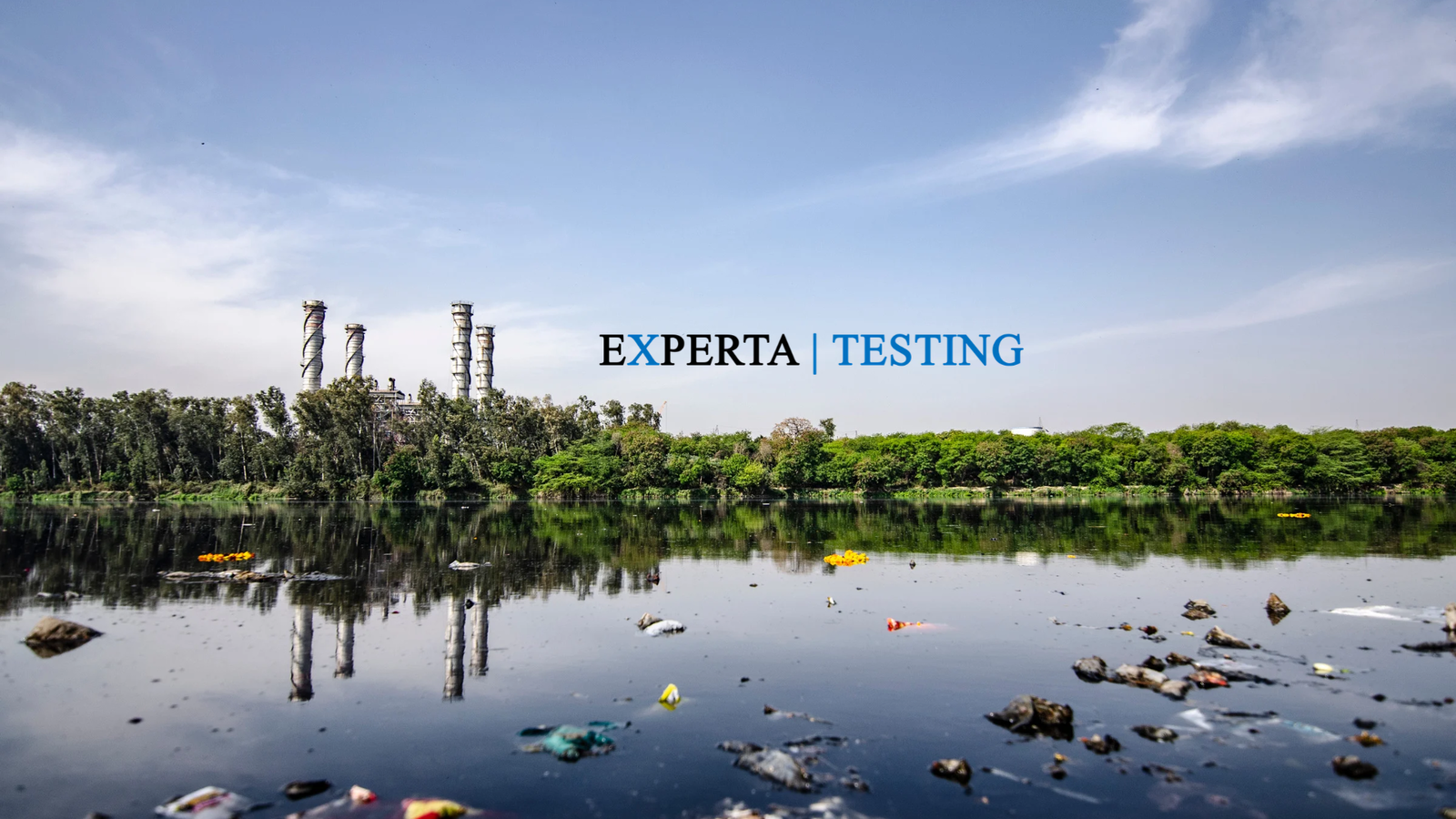
PFAS regulations across Europe and beyond are pushing limits down to nanogram-per-liter levels. The real challenge is no longer the instrument.
It is the fact that at parts-per-trillion sensitivity, PFAS turns up virtually everywhere, including on freshly cleaned labware.
For anyone responsible for compliance (in e.g. water, paper or polymer applications), this changes how you should approach PFAS testing.
The paradox of sensitivity
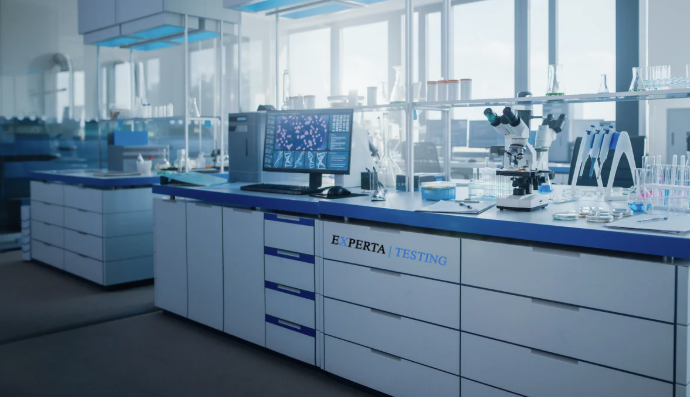
As instrumentation became capable of detecting parts per trillion, and even parts per quadrillion, the challenge shifted from equipment limitations to background interference.
Keeping ultrashort-chain compounds such as trifluoroacetic acid (TFA) out of results requires extensive decontamination, from washing to furnace-baking glassware.
In other words: the better we get at detecting PFAS, the more of it we find, everywhere …
Four basic limitations of PFAS testing
What does this mean for your testing program?
The key takeaway is that PFAS testing is not a commodity.
When limits sit near the edge of what is analytically possible, the choice of method, laboratory and contamination-control procedure determines whether your results are defensible.
Before starting any PFAS campaign, make sure you can answer:
- Is the method's detection capability low enough for the applicable limit?
- How is background contamination controlled and demonstrated (blanks)?
- Is the laboratory accredited for this specific matrix and compound list?
- Is the sampling and sample-preparation procedure fit for ultra-trace analysis?
Where can EXPERTA | TESTING help?
As an independent testing consultant and testing partner network, we translate a complex regulatory requirement into a practical testing program, without you having to manage multiple laboratories yourself.
For PFAS, our network covers applications across the three key matrices:
Beyond PFAS, our network covers the broader chemical compliance spectrum, including VOC and MOSH/MOA analysis, alongside physical, thermal, mechanical, electrical, surface and microstructural testing.
Why work with EXPERTA | TESTING?
- Experience – years of hands-on program management across regulated material testing, from first sample to final report.
- Expertise – independent advice on method selection, detection limits, sample preparation and result interpretation, so you test the right things, the right way.
- Network – access to 450+ specialized laboratories, so we match your specific application with the most suitable and most expert laboratory in Europe.
Need to assess PFAS in your product or matrix?
Whether you are facing a new regulatory limit, a customer requirement or a product development question, we help you define the right test before you spend budget on the wrong one.
⇒ Talk to us via info@experta-testing.com or Book a meeting
✅ One point of contact
✅ Independent laboratory selection
✅ Technical expertise
You focus on your product ⇒ We simplify the testing!